


Semantic SEO has evolved beyond traditional keyword optimization. Modern search engines analyze contextual relationships, entity associations, search intent layers, and topical depth to determine whether content fully satisfies user expectations. The concept behind the 75 semantic SEO content writing rules by Koray focuses on building topical authority through interconnected semantic structures rather than isolated keyword placement.
Search engines now evaluate how information is connected across an entire content ecosystem. This includes semantic relevance, contextual hierarchy, query satisfaction, information gain, and entity consistency. Businesses implementing semantic SEO strategies often improve long-term visibility because their content aligns more effectively with natural language processing systems and evolving search behavior.
Koray Tuğberk GÜBÜR’s Contribution to Semantic SEO
Koray Tuğberk GÜBÜR is widely recognized for advancing semantic SEO methodologies centered around topical authority, semantic networks, and contextual optimization. His framework emphasizes building a content universe where every article, landing page, and informational asset contributes to a broader topical structure instead of functioning independently.
Koray’s semantic SEO approach explains how search engines interpret contextual vectors, entity relationships, and query paths to understand whether a website demonstrates expertise within a subject area. Rather than focusing only on keywords, semantic SEO evaluates whether content satisfies multiple layers of user intent while expanding related concepts naturally.
One of the core ideas behind Koray’s methodology is information gain. Search engines prioritize pages that contribute unique contextual value instead of repeating information already available across competing pages. This means semantic content must provide deeper explanations, stronger contextual bridges, and broader topical coverage to improve ranking potential.
His framework also highlights the importance of query-based content clustering. Instead of publishing disconnected articles, semantic SEO structures content into interconnected topical maps that strengthen semantic relevance across the entire website architecture. Businesses implementing these strategies often improve crawl efficiency, contextual understanding, and topical authority simultaneously.
Understanding Semantic SEO Content Writing
Semantic SEO content writing focuses on contextual clarity, entity optimization, and topical completeness rather than repetitive keyword insertion. Modern algorithms evaluate whether content addresses the full informational journey behind a search query while maintaining semantic consistency across headings, entities, and supporting sections.
For example, a semantic SEO article about technical SEO would naturally include related concepts such as indexing, crawlability, schema markup, Core Web Vitals, log file analysis, and search engine accessibility. This interconnected topical coverage helps search engines understand the depth and relevance of the content more effectively.
Semantic SEO also improves user satisfaction because readers receive comprehensive information instead of fragmented answers. Websites using structured semantic frameworks often strengthen engagement metrics, improve discoverability, and increase visibility for broader query variations within the same topical ecosystem.

The Complete List of 75 Semantic SEO Content Writing Rules by Koray
Content Relevance and Search Intent Rules
1. Understand Search Intent Before Writing
Analyze whether the query reflects informational, transactional, navigational, or commercial intent before structuring content.
2. Prioritize User Satisfaction
Content should resolve the user’s primary problem while expanding adjacent informational needs naturally.
3. Maintain Contextual Consistency
Every paragraph should support the primary topical focus without introducing disconnected ideas.
4. Answer Direct Questions Clearly
Search engines prioritize extractive answers that satisfy queries quickly and accurately.
5. Use Supporting Examples Naturally
Examples strengthen semantic clarity by connecting theoretical concepts with practical implementation.
6. Avoid Generic Explanations
Thin explanations reduce topical depth and weaken perceived expertise.
7. Add Informational Depth
Comprehensive content improves query satisfaction and strengthens contextual relevance.
8. Cover Multiple Intent Layers
Strong semantic pages address beginner, intermediate, and advanced informational expectations simultaneously.
9. Optimize Readability
Readable content improves engagement signals and user experience.
10. Maintain Topic Focus
Avoid excessive topic drifting that weakens semantic clarity.
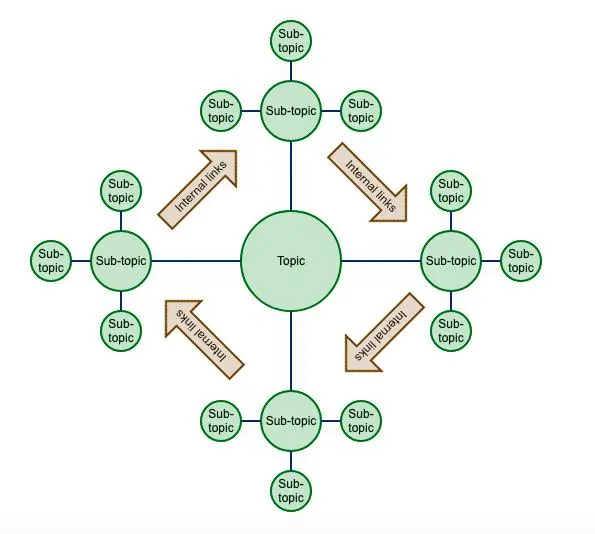
Why These Rules Matter
Search engines analyze semantic completeness to determine whether a page satisfies the broader informational intent behind a query. Pages with fragmented topical coverage often struggle to establish authority even when keyword optimization is technically correct.
Entity Optimization Rules
11. Mention Relevant Entities Naturally
Entities help search engines understand contextual relationships between concepts.
12. Explain Entity Relationships
Semantic SEO relies heavily on how topics connect within a broader information framework.
13. Add Context Around Every Entity
Contextual explanation improves entity recognition and semantic interpretation.
14. Avoid Irrelevant Terminology
Unrelated terminology can confuse topical relevance signals.
15. Use Industry-Specific Vocabulary
Category-focused terminology strengthens semantic precision.
16. Support Entity Recognition With Examples
Examples improve contextual clarity for both users and algorithms.
17. Build Topical Associations Logically
Semantic relationships should follow a structured informational hierarchy.
18. Maintain Contextual Continuity
Transitions between concepts should feel natural and interconnected.
19. Use Precise Terminology
Clear terminology improves informational accuracy and semantic confidence.
20. Strengthen Semantic Associations
Search engines evaluate how effectively related entities reinforce topical depth.
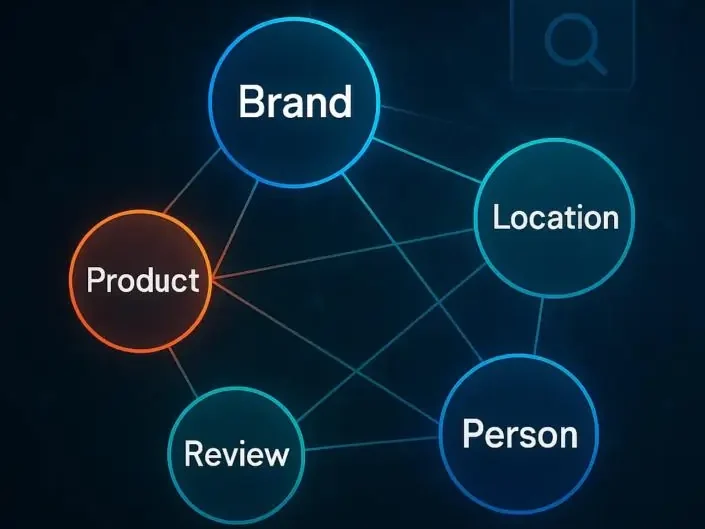
Why These Rules Matter
Modern algorithms rely heavily on entity-based indexing instead of simple keyword matching. Strong semantic content builds contextual associations that improve topical understanding across an entire website structure.
Structural Semantic SEO Rules
21. Use One Clear H1 Heading
A focused H1 improves topical clarity and hierarchical organization.
22. Organize Headings Hierarchically
Logical heading structures improve semantic flow and crawl interpretation.
23. Keep Heading Intent Focused
Every heading should align with a distinct informational purpose.
24. Write Concise Introductions
Clear introductions establish topical direction immediately.
25. Use Semantic Transitions
Contextual transitions improve continuity between concepts.
26. Add Descriptive Subheadings
Specific subheadings strengthen content scannability and semantic structure.
27. Avoid Fragmented Sections
Disconnected sections weaken contextual consistency.
28. Improve Featured Snippet Potential
Structured formatting increases extractive answer opportunities.
29. Create Logical Information Flow
Content should guide readers through a connected learning journey.
30. Strengthen Sectional Relevance
Each section should contribute meaningful contextual value.
Example of Semantic Structure
Instead of publishing isolated content pieces about SEO, semantic content networks connect topics like technical SEO, on-page SEO, schema markup, semantic search, and entity optimization through a structured topical hierarchy.
NLP and Readability Optimization Rules
31. Write Naturally for Users
Search engines increasingly evaluate natural language patterns.
32. Avoid Robotic Optimization
Over-optimized writing reduces readability and trust signals.
33. Use Contextual Synonyms Carefully
Semantic variations strengthen relevance without excessive repetition.
34. Maintain Readability Balance
Complex topics should remain accessible to diverse audiences.
35. Add Semantic Variations
Lexical diversity improves contextual breadth.
36. Vary Sentence Structures
Sentence variation improves reading flow and engagement.
37. Use Conversational Explanations
Natural explanations improve clarity and user satisfaction.
38. Improve Content Clarity
Clear communication strengthens informational usefulness.
39. Avoid Forced Keywords
Semantic SEO prioritizes meaning over repetitive optimization.
40. Balance Concise and Depth
Strong semantic content remains detailed without becoming unnecessarily repetitive.
Why These Rules Matter
Natural language processing systems analyze contextual meaning, sentence relationships, and semantic clarity to interpret content quality. Pages optimized purely for keyword density often struggle against semantically structured content.
Technical Semantic SEO Rules
41. Optimize Internal Linking Structures
Internal links strengthen contextual relationships between pages.
42. Build Topical Clusters
Connected content clusters improve topical authority and crawl understanding.
43. Improve Crawl Accessibility
Accessible architecture improves indexing efficiency.
44. Support Semantic HTML Structure
Structured HTML improves content interpretation for search engines.
45. Use Schema Markup Strategically
Schema helps algorithms understand contextual information more accurately.
46. Improve Page Experience
User experience metrics influence engagement and retention.
47. Strengthen Contextual Linking
Contextual anchor relevance improves semantic consistency.
48. Reduce Redundant Content
Duplicate informational intent weakens topical differentiation.
49. Improve Information Hierarchy
A clear hierarchy strengthens content organization and comprehension.
50. Support Indexing Efficiency
Well-structured content improves discoverability and crawl prioritization.
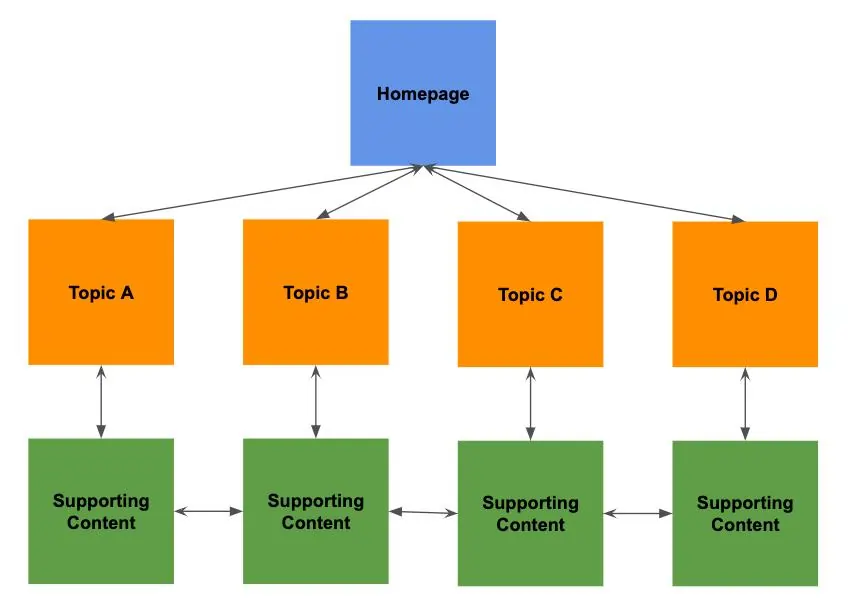
Implementation Insight
A semantic cluster about digital marketing may include SEO strategy, semantic SEO, PPC advertising, content optimization, and technical SEO within a connected contextual ecosystem rather than separate, disconnected articles.
User Experience and Authority Rules
51. Demonstrate Expertise Clearly
Authority-focused content should reflect deep topical understanding.
52. Use Trustworthy References
Reliable references improve credibility signals.
53. Improve Navigation Flow
Easy navigation improves user interaction and session continuity.
54. Add Practical Explanations
Practical implementation improves informational usefulness.
55. Maintain Professional Tone
Professional language improves trust perception.
56. Improve Audience Engagement
Engaging content increases interaction signals.
57. Support Accessibility
Accessible formatting improves usability across audiences.
58. Reduce Informational Gaps
Incomplete explanations weaken semantic completeness.
59. Focus on Reader Value
Content should prioritize usefulness over manipulation.
60. Maintain Cross-Page Consistency
Consistent topical structures strengthen website-wide authority.
Why These Rules Matter
Search engines increasingly evaluate expertise, contextual depth, and user satisfaction signals together. Strong semantic SEO improves both discoverability and audience trust simultaneously.
Strategic Semantic SEO Rules
61. Build Topical Authority Gradually
Authority develops through consistent semantic coverage over time.
62. Create Interconnected Content Ecosystems
Semantic networks strengthen contextual relevance across multiple pages.
63. Update Outdated Information Regularly
Fresh contextual accuracy supports long-term relevance.
64. Align Content With Search Evolution
Search behavior changes continuously alongside algorithm improvements.
65. Focus on Long-Term Relevance
Evergreen semantic content supports sustainable visibility.
66. Expand Adjacent Topical Areas
Broader semantic coverage improves contextual breadth.
67. Optimize for Query Chains
Users often follow connected informational journeys across multiple searches.
68. Improve Information Gain
Unique contextual insights strengthen competitive differentiation.
69. Maintain Semantic Consistency Across Categories
Consistent topical architecture improves website-wide authority signals.
70. Strengthen Content Relationships
Connected content improves semantic understanding for both users and search engines.
71. Support Multi-Intent Queries
Strong semantic pages satisfy overlapping search behaviors simultaneously.
72. Build Contextual Depth Progressively
Advanced semantic structures expand information naturally through layered explanations.
73. Reduce Topical Cannibalization
Clearly differentiated pages improve ranking clarity.
74. Improve Search Journey Optimization
Content should guide users through connected informational pathways.
75. Prioritize Context Over Keywords
Semantic SEO succeeds when meaning, relevance, and topical depth remain stronger than repetitive optimization tactics.
How Semantic SEO Supports Modern Digital Marketing
Semantic SEO strengthens multiple digital marketing channels because search engines increasingly rely on contextual interpretation rather than isolated keyword matching. Businesses integrating semantic optimization into content marketing, website architecture, and SEO strategies often improve discoverability across broader query variations.
For example, semantic content structures improve the likelihood of appearing in featured snippets, AI-generated summaries, People Also Ask sections, and entity-based search results. Websites demonstrating strong topical authority frequently achieve better long-term visibility because their content aligns more effectively with evolving search algorithms.
Agencies implementing semantic SEO frameworks also combine entity optimization, internal linking, technical SEO, and audience targeting to create stronger contextual ecosystems across service pages and informational resources.
Implementation Checklist for Semantic SEO Writing
- Identify one primary topic and supporting subtopics
- Research semantic entities and contextual relationships
- Analyze layered search intent before content creation
- Create hierarchical heading structures
- Use semantic keyword variations naturally
- Add examples that improve contextual understanding
- Build logical internal linking pathways
- Improve readability and NLP friendliness
- Expand topical depth through supporting explanations
- Optimize contextual consistency across sections
- Eliminate redundant or repetitive informational patterns
- Review information gain opportunities before publishing
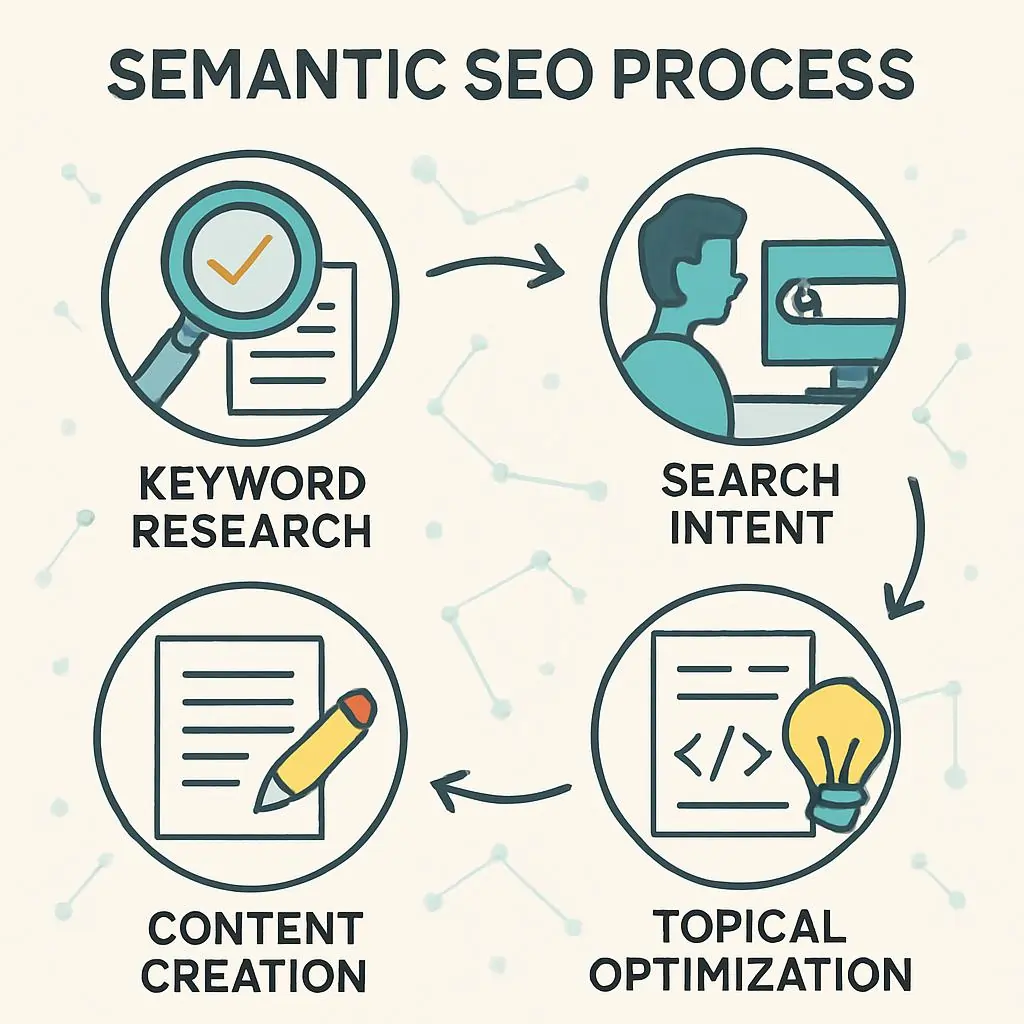
Why Semantic SEO Matters for Long-Term Content Performance
Modern search engines evaluate contextual relationships, entity consistency, and informational completeness to determine ranking relevance. Semantic SEO helps businesses create content that aligns with how algorithms interpret meaning, user intent, and topical authority.
Strong semantic frameworks also improve adaptability as search technology evolves toward AI-driven contextual understanding. Businesses investing in semantic SEO strategies often create more sustainable visibility because their content remains structurally aligned with long-term information retrieval systems instead of temporary keyword manipulation tactics.
Brands using semantic optimization alongside technical SEO, structured content architecture, and audience-focused strategies frequently strengthen engagement, authority, and long-term organic growth across competitive industries.
Conclusion
The 75 semantic SEO content writing rules by Koray explain how modern content optimization depends on contextual relevance, topical authority, semantic relationships, and user satisfaction rather than isolated keyword placement. Businesses implementing semantic frameworks often improve search visibility because their content aligns more effectively with natural language processing systems and evolving search behavior.
Semantic SEO is ultimately about building structured information ecosystems that satisfy users comprehensively while strengthening contextual understanding for search engines. Brands applying semantic optimization consistently can improve discoverability, authority, and long-term digital growth through deeper topical coverage and strategically connected content structures.
Frequently Asked Questions
What Is Semantic SEO Content Writing?
Semantic SEO content writing focuses on contextual meaning, entity relationships, topical depth, and user intent instead of repetitive keyword usage. It helps search engines interpret content more accurately while improving user satisfaction and topical authority.
Why Are Koray’s Semantic SEO Rules Important?
Koray’s framework explains how search engines evaluate semantic relationships, contextual signals, and information gain. These principles help businesses create content structures aligned with modern search engine interpretation systems.
How Does Semantic SEO Improve Rankings?
Semantic SEO improves rankings by strengthening topical authority, contextual relevance, and query satisfaction. Search engines prefer content that comprehensively addresses related concepts within a structured informational hierarchy.
Can Semantic SEO Help Local Businesses?
Yes. Local businesses using semantic SEO often improve contextual relevance for regional queries through entity-rich and intent-focused content structures.
Why Do Agencies Use Semantic SEO Strategies?
Agencies use semantic SEO because modern algorithms prioritize contextual understanding over isolated keyword optimization. Semantic frameworks improve discoverability, engagement, and long-term organic performance across digital marketing campaigns.